Teaching LGBTQ+ History
Mission Statement
Many High School Students graduate without ever learning about LGBTQ+ history. This project aims to explore why that gap exists and how schools can address the gap to promote inclusivity and understanding of historical struggle.
Why LGBTQ+ History is Important
For most students, history is taught as a collection of perspectives forming a large narrative. Despite this understanding, history is not taught this way.
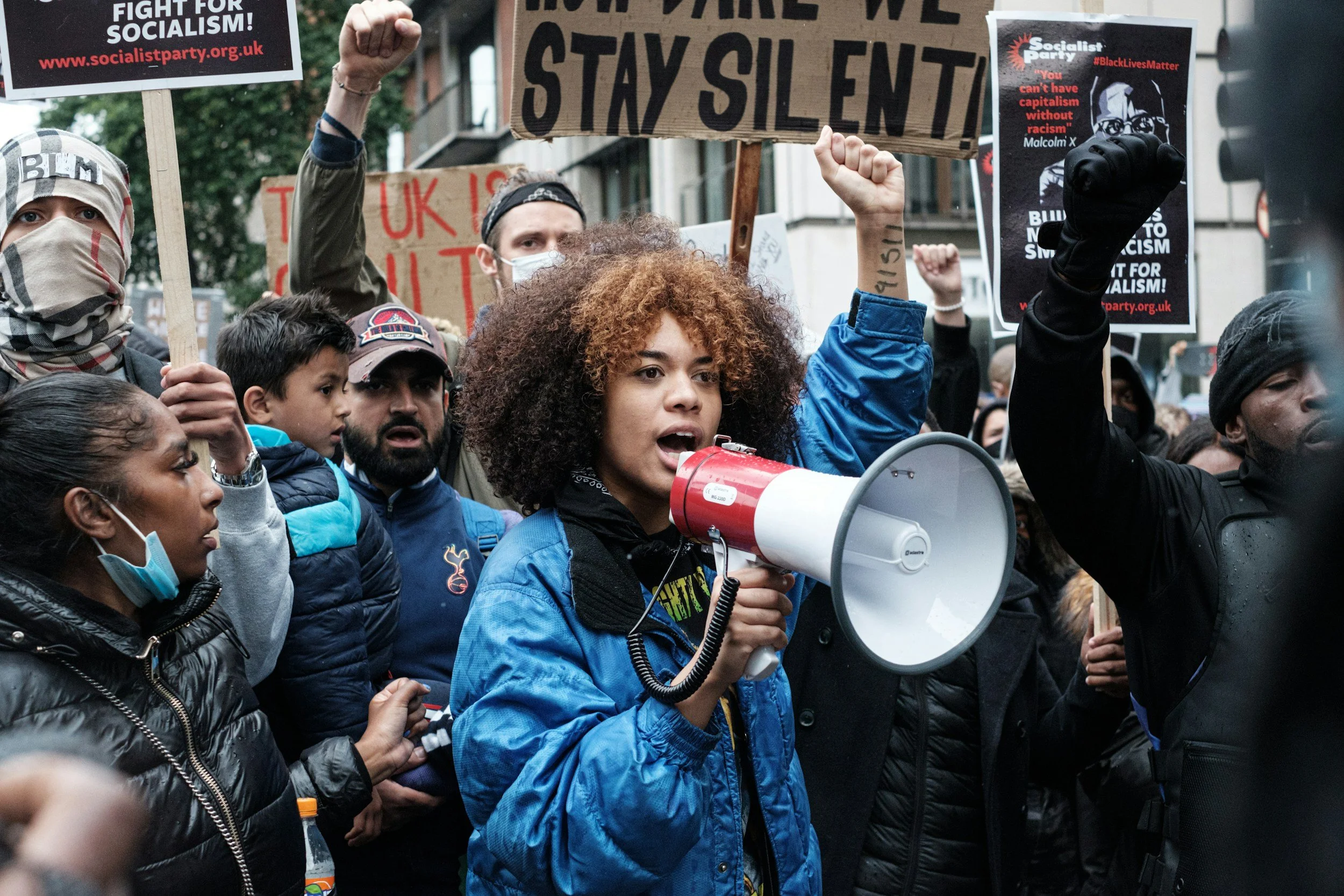
Entire groups, movements, and organizations are left out of history. History is politicized, consequently becoming controversial and scary to some.
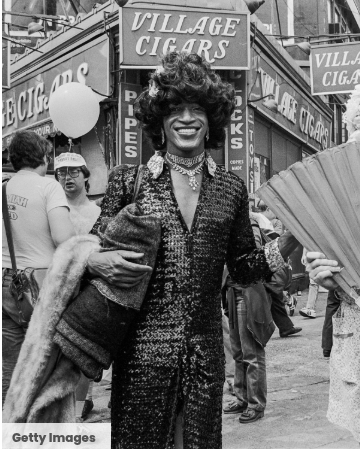
Learning LGBTQ+ history is not about promoting a political or ideological agenda. It is not about challenging religious authority. It is about teaching students the when, why, what, and how of what actually happened. LGBTQ+ history is American history and is essential in understanding the progression of modern society. Figures like Bayard Rustin, Marsha Johnson, despite their influence, are ignored. Events like the Stonewall uprising, despite their tragedy, go unheard.
When history is exluded and voices are ignored, students are left with an incomplete understanding of history.
The Education Gap
In my home state, South Carolina, LGBTQ+ history is largely ignored. IN South Carolina there is no requirement to learn the history of any LGBTQ+ figure or movement in students curriculum. In health education classes, there is no mention of gender identity or sexual orientation. In fact, up until 2020, teachers were explicitly prohibited from talking of same sex relationships. This oppression is not recent, it is longstanding.